Like my posts in May and June about orbits and remote sensing respectively, this is a 100-level overview on the different kinds of rockets and how they can be used in sci-fi writing. Note that I’m only going to go through the four primary methods for a rocket to get out of a gravity well, I won’t be touching on air-breathing propulsion (jet engines) or any of the many different ways to thrust in a vacuum (electric propulsion and whatnot). I’m also not going to go too in-depth, I’m no rocket expert, even though I’ve taken classes at both the undergraduate and grad school level.

Solid Rockets
This is the oldest type of rocket, developed in medieval China and spread throughout Eurasia as a weapon of war and is still used today for both military and civilian applications, not the least of which is for fireworks!

Solid rockets are the simplest form of rocketry, consisting of a propellant grain, with a hole in its center acting as a combustion chamber, and an igniter inside of some kind of shell or casing with a nozzle at the bottom. The igniter sets off a chemical reaction, sending burned propellant downward to create thrust in an equal-and-opposite reaction. Unlike other kinds of rockets, solid rockets cannot be turned off – once ignited, they’re gone.
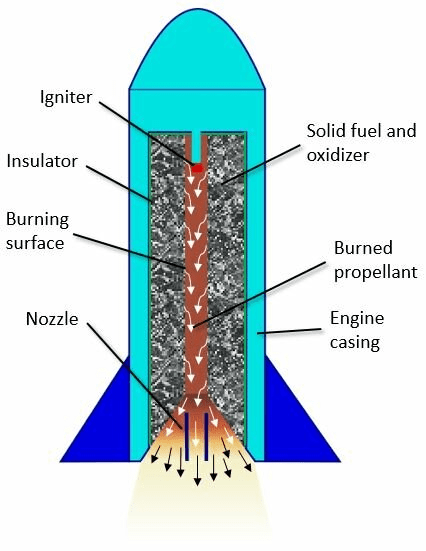
They’ve been used as fireworks and artillery projectiles for centuries, but in the twentieth century they’ve also been also used for air-to-ground and air-to-air missiles, ICBMs, and space launch purposes. They’re less efficient than liquid rockets but don’t require as much prep time or to work to fuel – just ignite and go. They’re simpler than other kinds of rockets as well – fewer parts mean fewer things that can fail in a launch.
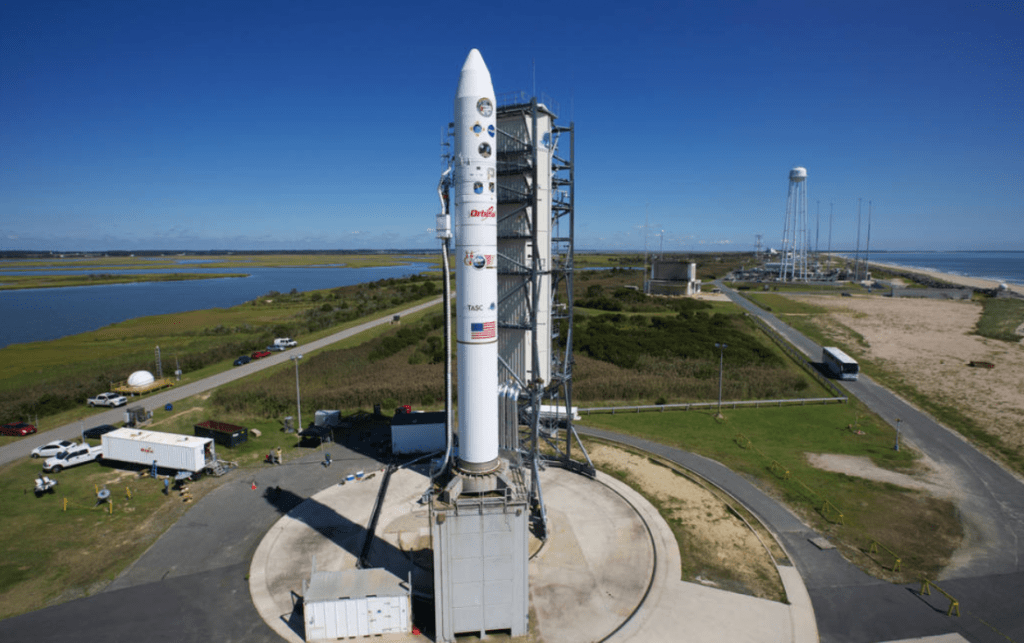
Liquid Rockets
These are currently the best-performing rockets on the market. SpaceX’s workhorse Falcon 9 and Heavy, ULA’s Atlas, Delta, and Vulcan, Blue Origin’s New Shepard and New Glenn are just the American ones; Russia’ Proton, China’s Long March, and Europe’s Ariane 6 are all liquid-fueled as well.
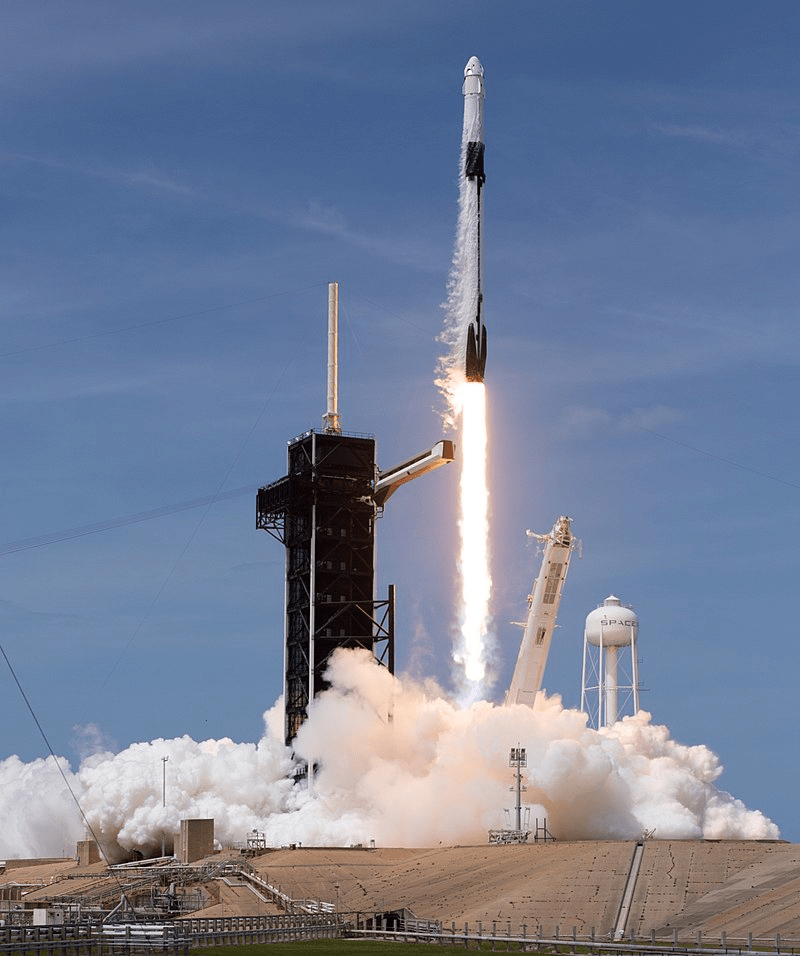
Why are they so efficient? Because they use a propellant (usually RP-1, which is a refined kerosene, or methane) and an oxidizer (LOx – liquid oxygen) to burn in a combustion chamber (4 below) to produce thrust at the nozzle. They are more efficient – have a higher specific impulse Isp – and are throttleable, meaning that they can be turn on and off and to nearly any setting in between. They’re more complex, but also are more versatile.
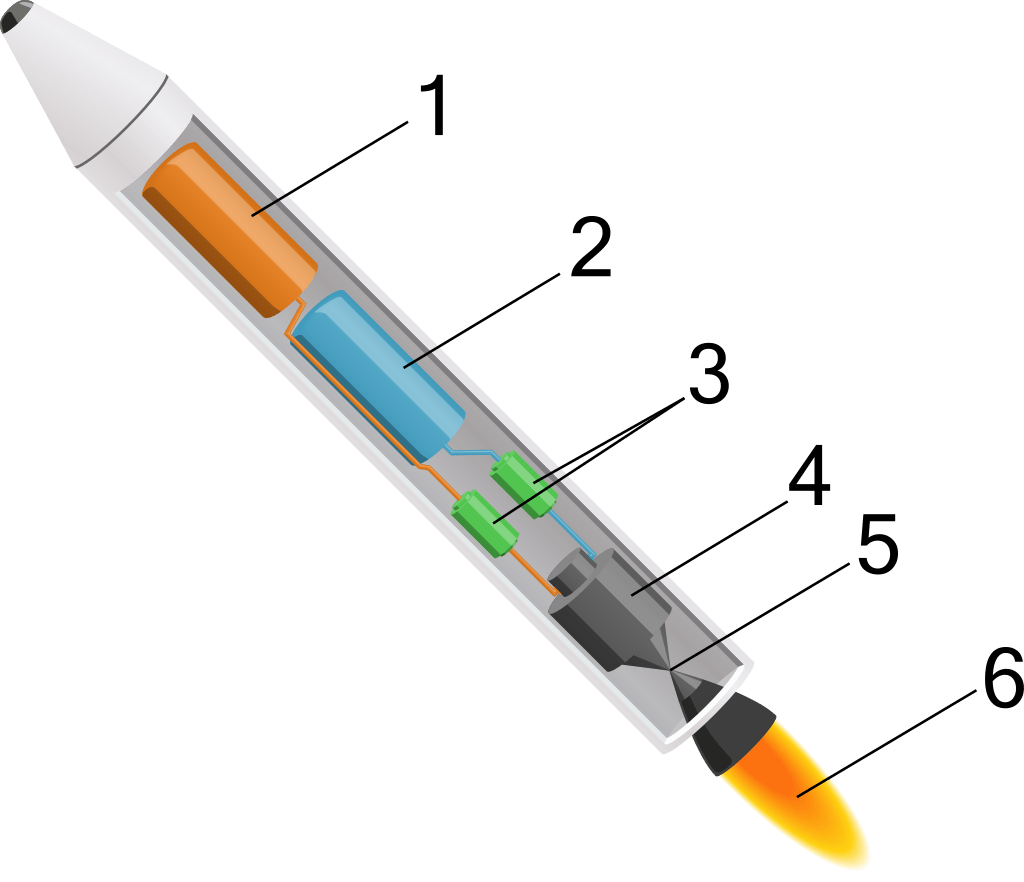
However, propellants and oxidizers run out and need time to fill into the tanks, and are dangerous once they are in close proximity to one another. They also require large fuel farms to store the massive quantities of liquids needed to launch. But, they are the most efficient (unless you go nuclear – more on that later!) and are the most popular for spacelift at this time.
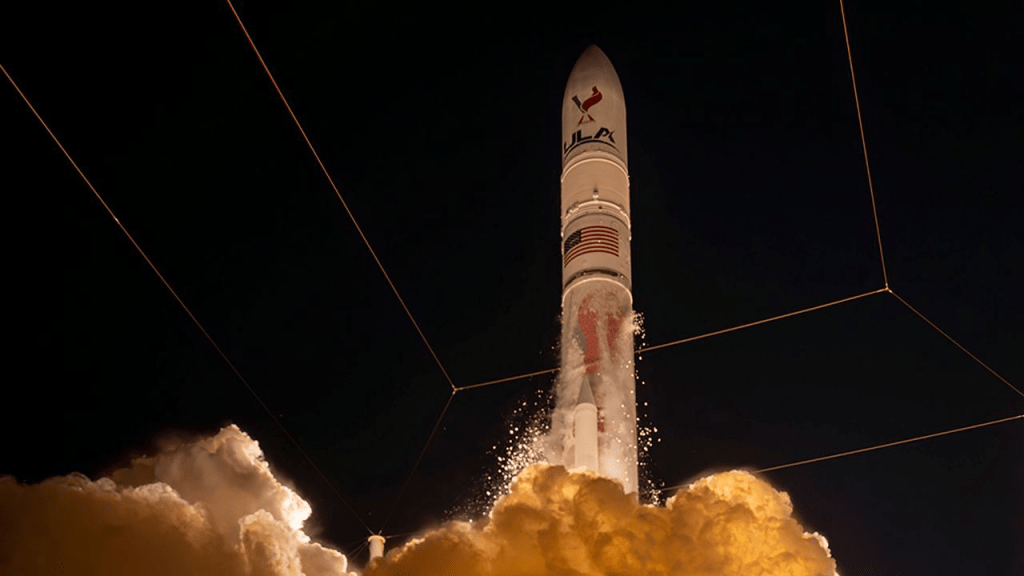
But, it is hard to get to orbit, and SSTO – Single Stage to Orbit – isn’t in the cards anytime soon. Until then, we’ll still be using liquid-propelled rockets to escape Earth’s gravity and get into space.
Hybrid Rockets
I’ve never actually seen any of these in a “real” application outside of SpaceShipOne, but they’re in my propulsion textbook (SPAD 🙂 – Space Propulsion Analysis and Design) so I’ll touch on them here.
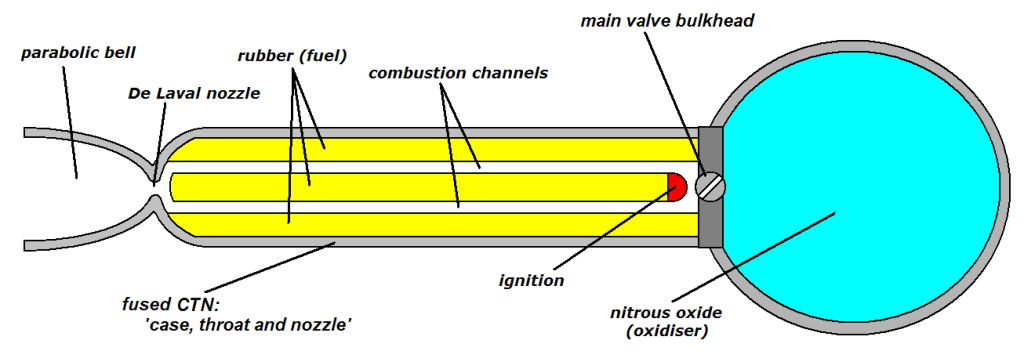
A hybrid rocket consists of a solid fuel and a liquid oxidizer, making it a “hybrid” between solid and liquid rockets. They’re complex and hard to design and build – the one commercial application was Virgin Galactic’s SpaceShipOne, and that didn’t end well. There have been some sounding rockets using hybrid engines, but nothing that’s actually reached orbit. One of those things that looks great on paper until you actually have to build it. I don’t see much use for them in the future.
Nuclear Rockets
These are the future.
We have used nuclear power for submarines, aircraft carriers, icebreakers, satellites (the Voyager missions are powered by plutonium cores) and of course power plants. But humanity has never had a “true” nuclear rocket, even though research into the topic goes back to the days of the Manhattan Project and the atom bomb.
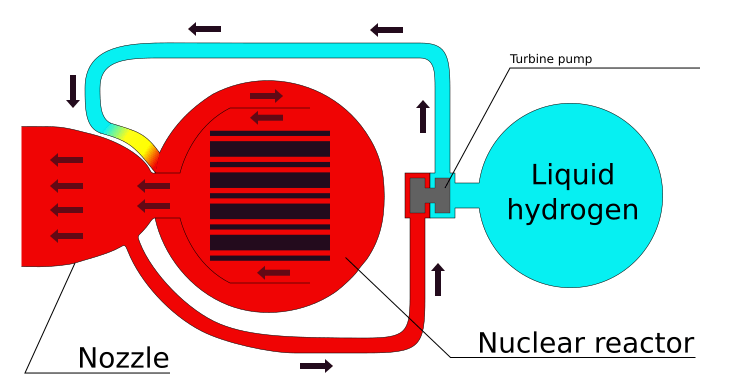
Nuclear rockets work just like chemical solid/liquid/hybrid rockets, only using nuclear power to send a propellent (usually hydrogen) through a nozzle, generating thrust. They are significantly more efficient than other kinds of rockets but also have an increased hazard should they fail, due their nuclear core. The NERVA project to build an upper stage for the Saturn V or an ICBM was the closest the United States has ever gotten, but it was canceled in the post-Apollo NASA drawdown.
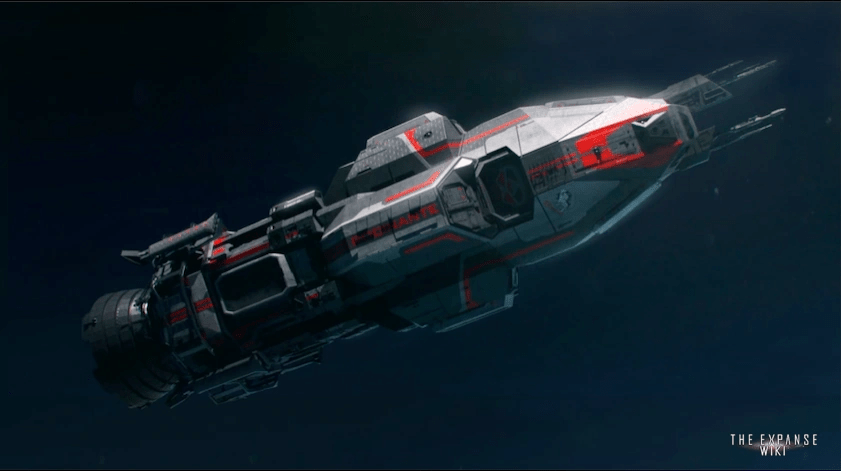
Prototypes have been built and tested, but no nuclear rocket has ever made it to orbit. With a lot of current research on the topic ongoing, that may change soon, and this Ars Technica article explains it better than I ever could. Soon, we as a species might be flying nuclear-powered corvettes like the Rocinante around our solar system!
 Ryan M. Patrick
Leave a comment